- Home
- News
- Lifeboat Hero's medals sell at auction
Lifeboat Hero's medals sell at auction
29 Oct, 2009
The epic war-time tale of how 70 British
sailors spent 20 days and 1,200 miles adrift at sea has emerged
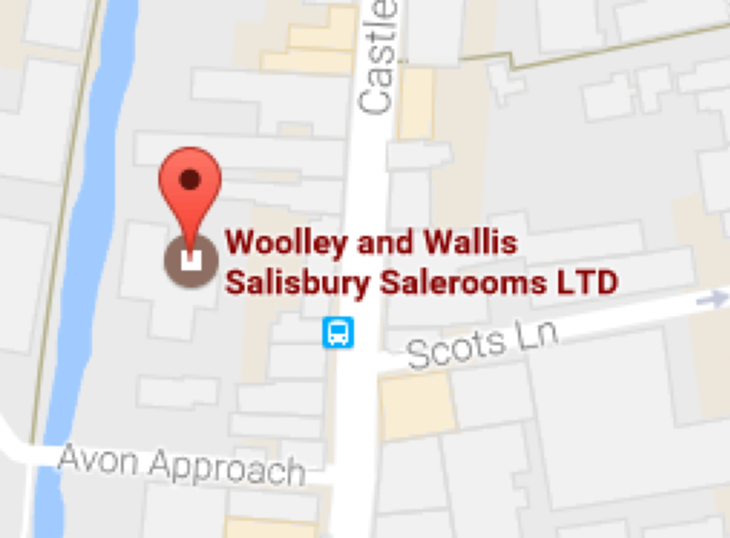
after a Hampshire man's logbook was sold at Woolley and Wallis.
The eight page account of how the stricken
crew survived the three weeks they were stranded in lifeboats after
their ship was sunk by a German U-boat was sold alongside the medal
group of the ship's First Mate.
Chief Officer Maurice Case commanded
Lifeboat 4 following the sinking of the SS Rhexenor in 1943, and
his account tells how the men were often drenched by heavy rain
storms, leaving them cold and wet for days afterwards. They were
eventually saved when the four lifeboats reached various
Caribbean
islands a few days apart.
The items at auction included an MBE Mr
Case received for leading one of the four lifeboats, along with two
medals he earned during World War 1. They sold on 28th
October for £1,200.
Daniel Fearon, Woolley and Wallis's medal
consultant, said: "It is a pretty epic tale of survival and one
that isn't well documented.
"It was something that Maurice Case never
really spoke of afterwards, it was just an event that happened
during his war.
"He was in charge of one of the four
lifeboats and was responsible for navigating, keeping up morale and
handing out the rations.
"They had the ship's cook on their lifeboat
and he had managed to empty a cupboard of tins of condensed milk
before the ship sank, so that was a little bonus for the
men.
"The conditions after three weeks must have
been pretty awful on board.
"I don't know how much longer the men would
have survived for given that three of them died in the lifeboats in
the three weeks at sea.
"Having said that I think they were in
pretty good shape considering what they had been
through.
"Maurice Case's log is fascinating. It is
totally without emotion and its very factual."
The steam ship SS Rhexenor was a merchant
boat carrying cocoa from Durban in South Africa to Britain via
Freetown in Sierra Leone and St John in New Brunswick,
Canada.
After leaving Freetown she was torpedoed by
the German submarine U-217 at 6.45am on February 3 and sank two
hours later.